My next adventure: Thailand/Malaysia/Singapore – July 2026

Thailand – July 2026

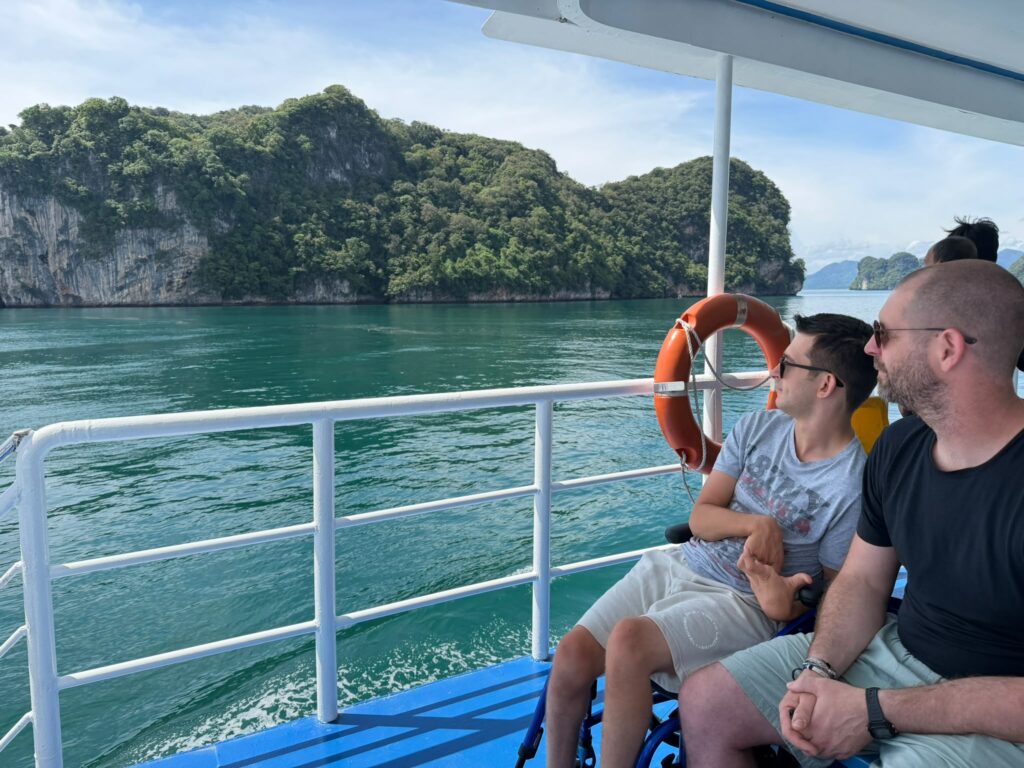
Day 10 (Koh Yao Yoi) – Passenger Ferry to Phuket

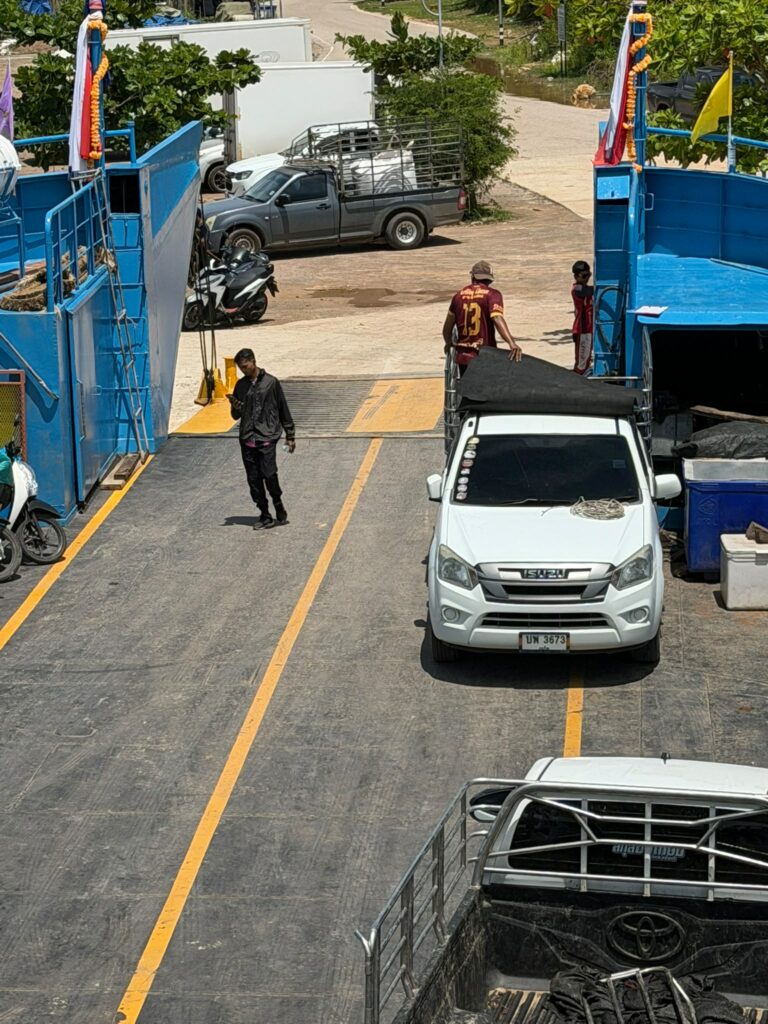
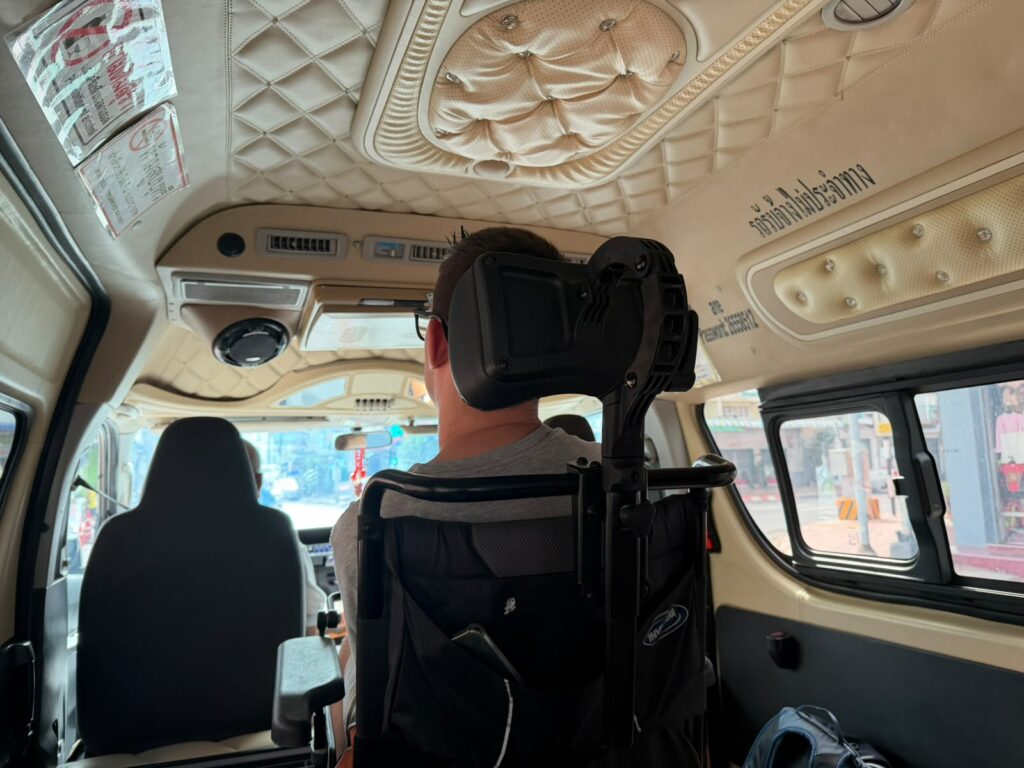
As one mentioned before, the vehicle ferry that serves Koh Yao Yai only runs once a day and, on this occasion, left the pier for Phuket at 8am. As passenger ferries run from the island every hour, it was decided that the accessible van would catch the vehicle ferry with Superbunny and then pick us up from the passenger terminal at a later time.

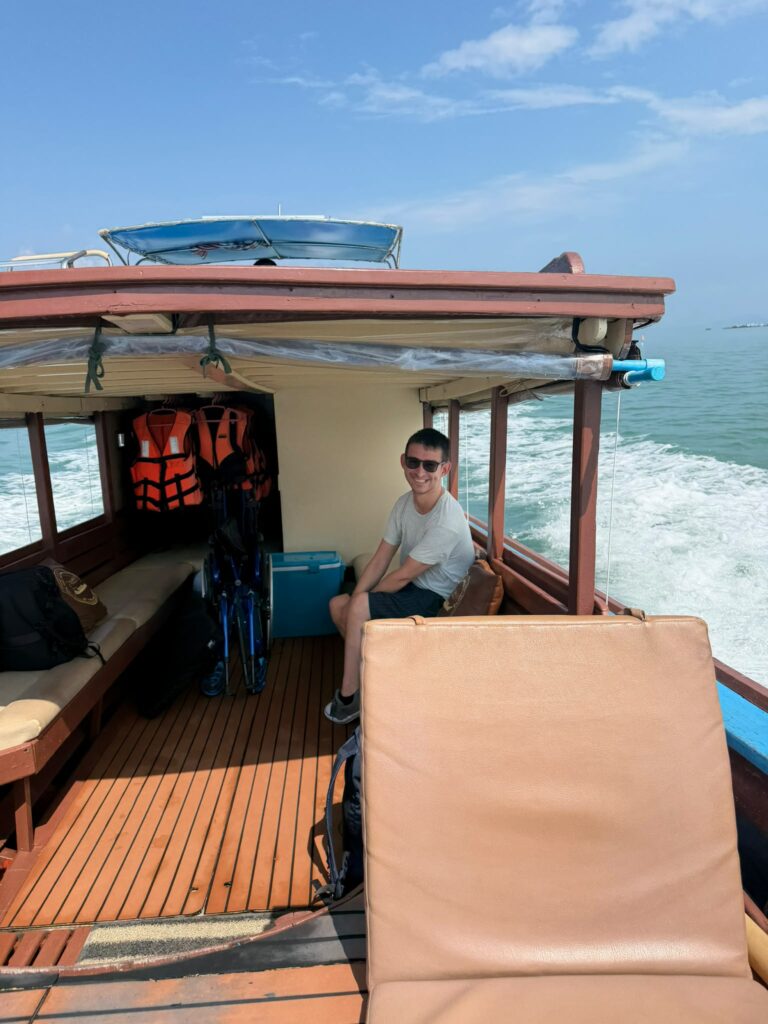
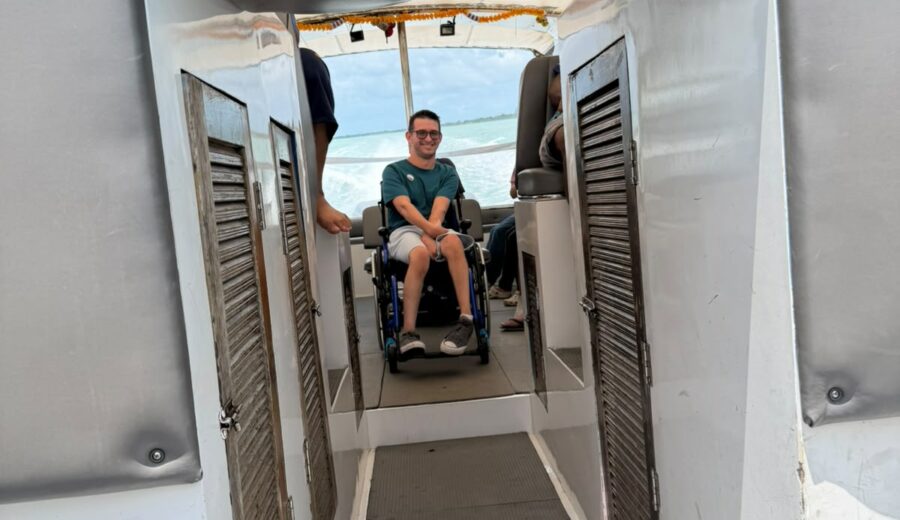
Prior to ones visit, it was known that said passenger ferries from Koh Yao Yai were not wheelchair accessible. However, one expected more of a resemblance than a speedboat which can be a little tricky to negotiate as a wheelchair user…
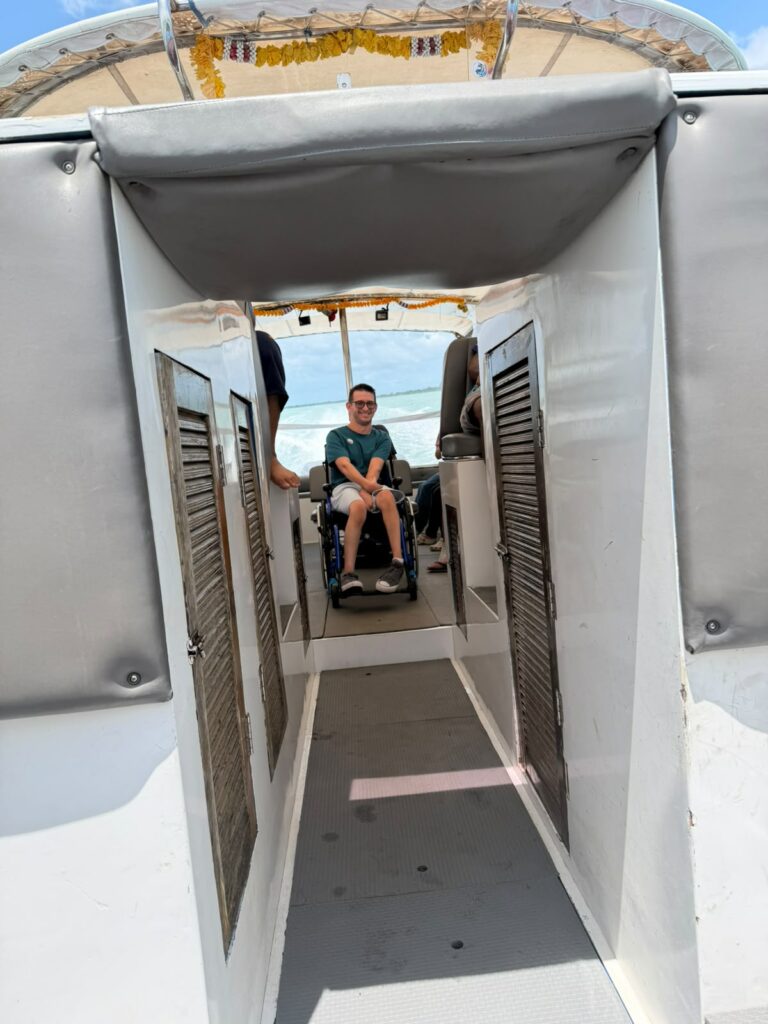
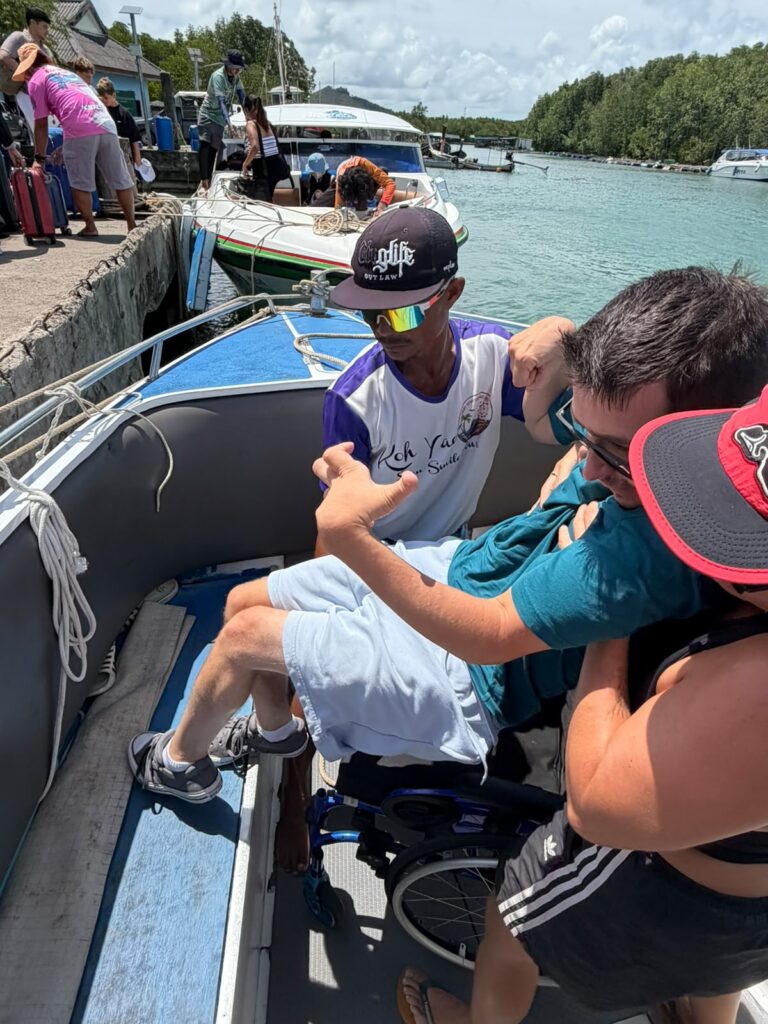
Essentially, if one wishes to visit Koh Yao Yai in 2026 as a powered wheelchair user, the only option one has is to catch the vehicle ferry from either Krabi or Phuket.
Day 9 (Koh Yao Yai) – Longtail Boat Excursion

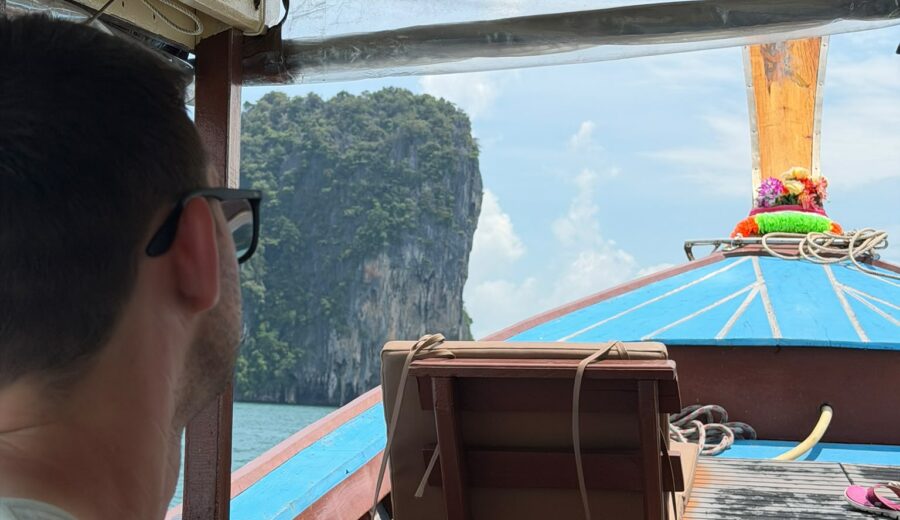
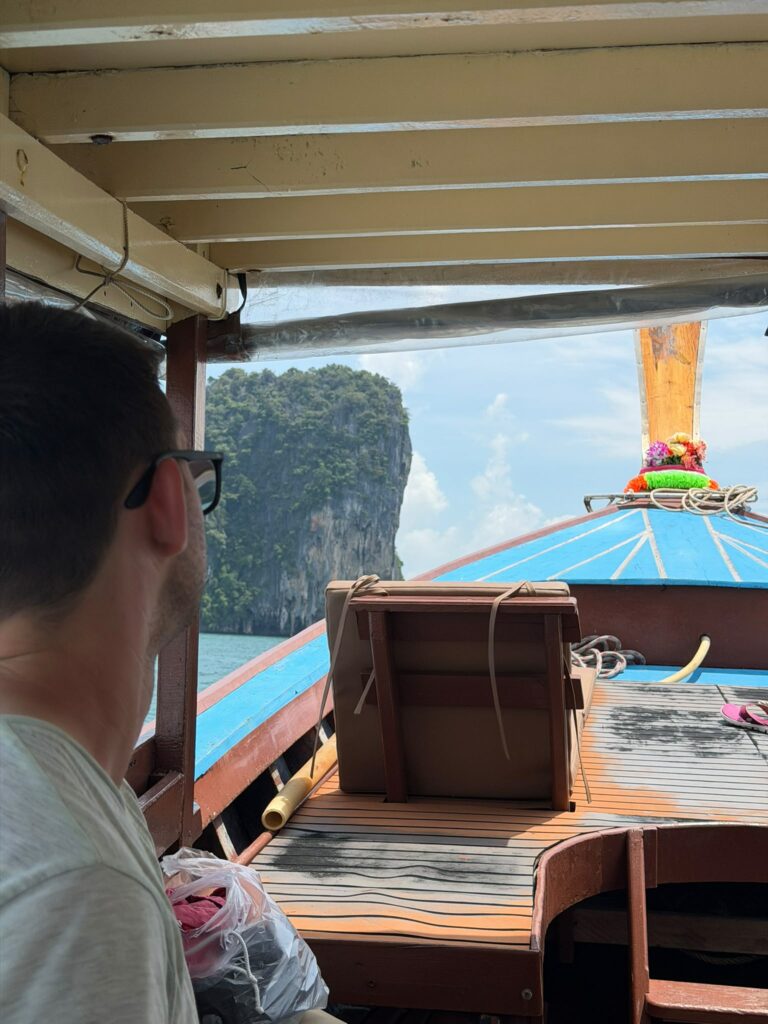
No trip to Southern Thailand would be complete without cruising around a few islands on a traditional Longtail boat. Unfortunately, as of 2026, no known wheelchair accessible Longtail boats are available, especially on islands such as Koh Yao Yai. However, it is possible to drive an accessible vehicle to the pier where locals are willing to assist in any way possible, for example carrying ones manual wheelchair onboard if needed…

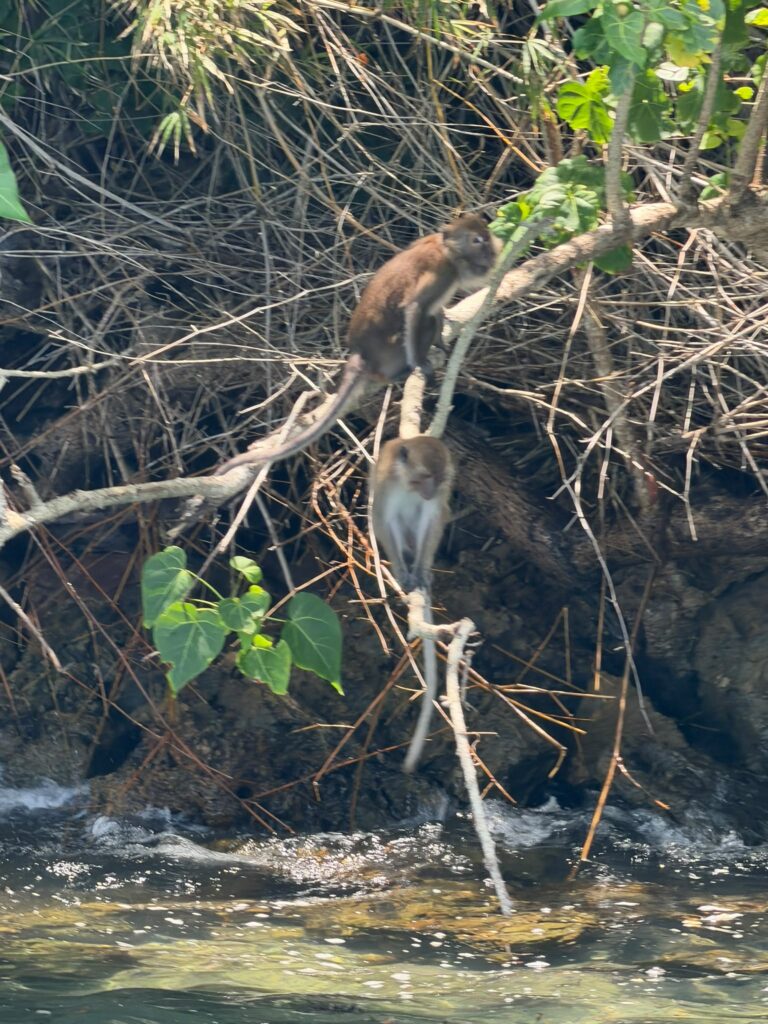
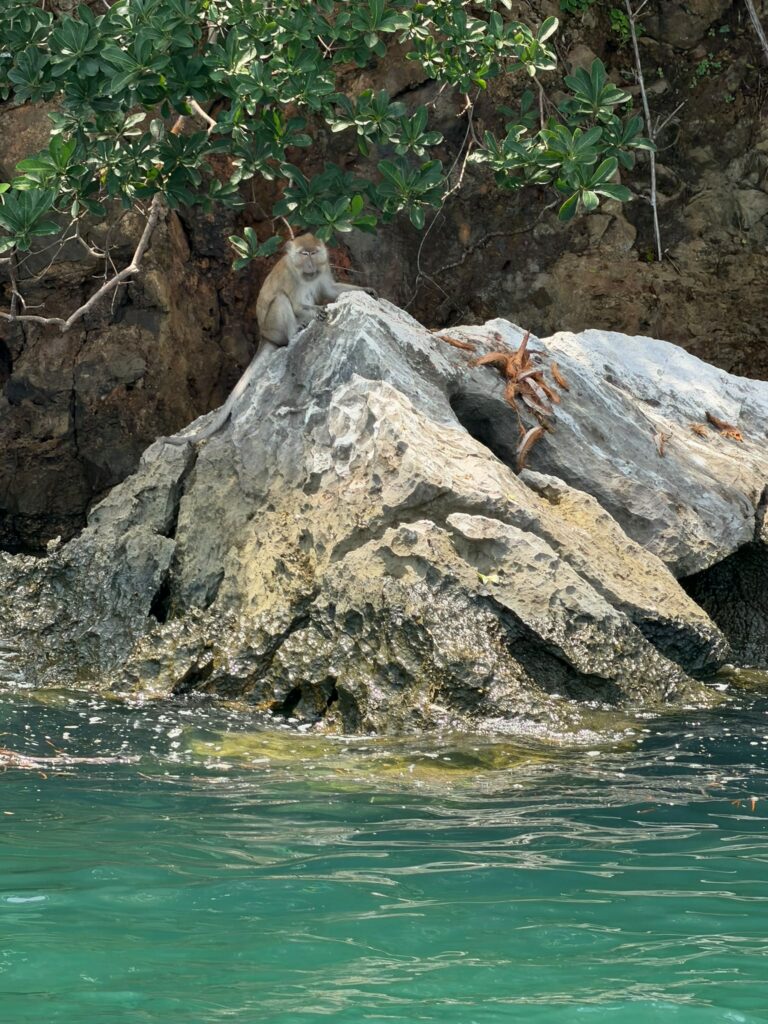
It appears that a standard ‘package’ from Koh Yao Yai includes activities such as snorkeling, however, one can skip this and simply enjoy the surroundings with a Thai meal. One may visit Monkey Island also where it is possible to admire various monkeys from the boat…

With Thailands growing tourism industry in addition to notable accessibility improvements, it seems only a matter of time before a wheelchair accessible Longtail boat becomes available.

Day 8 (Koh Yao Yai) – Koh Yao Elephant Care & House

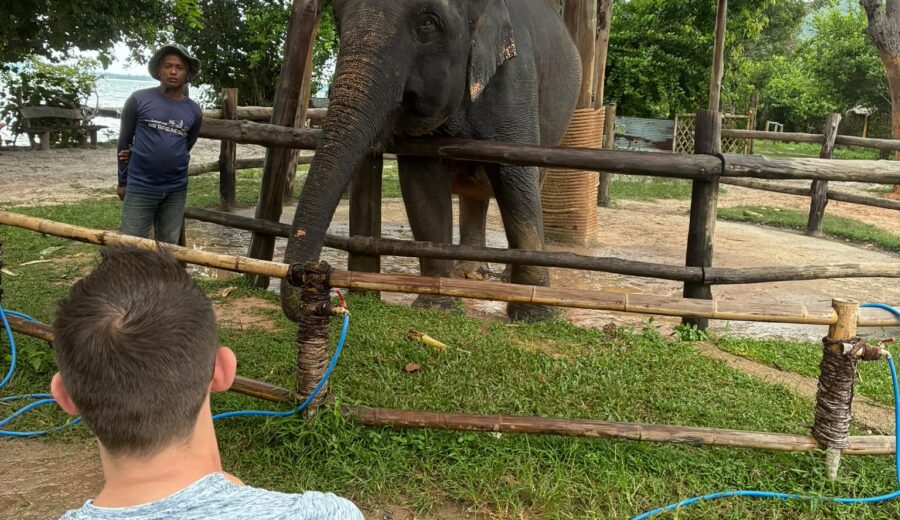
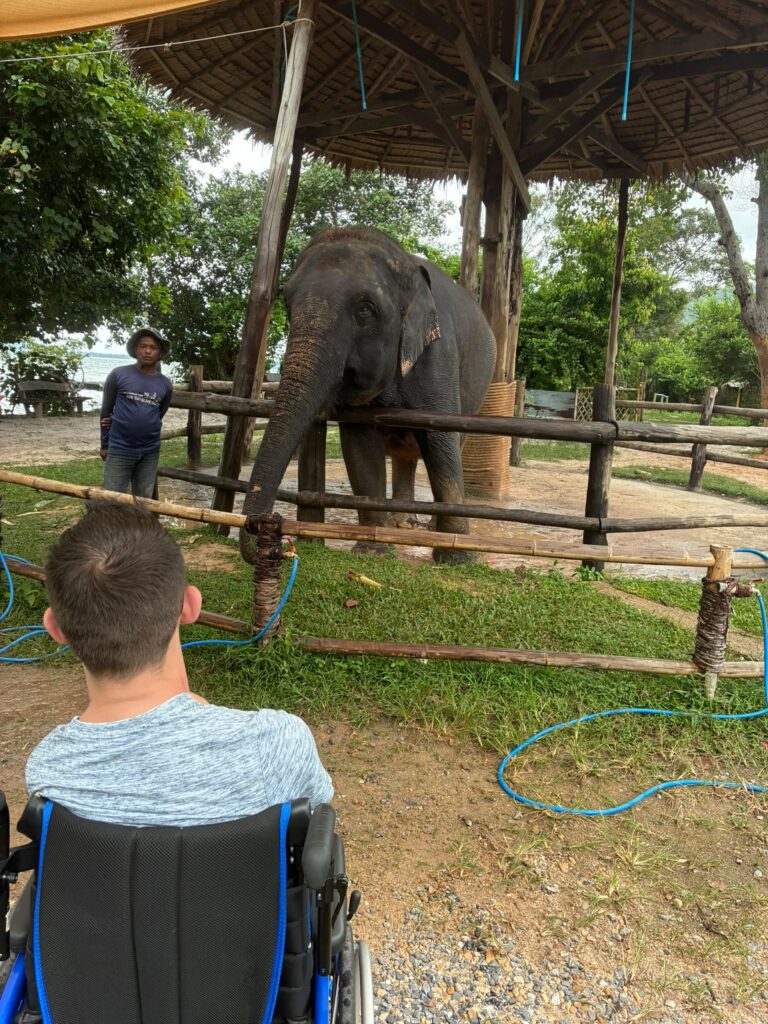
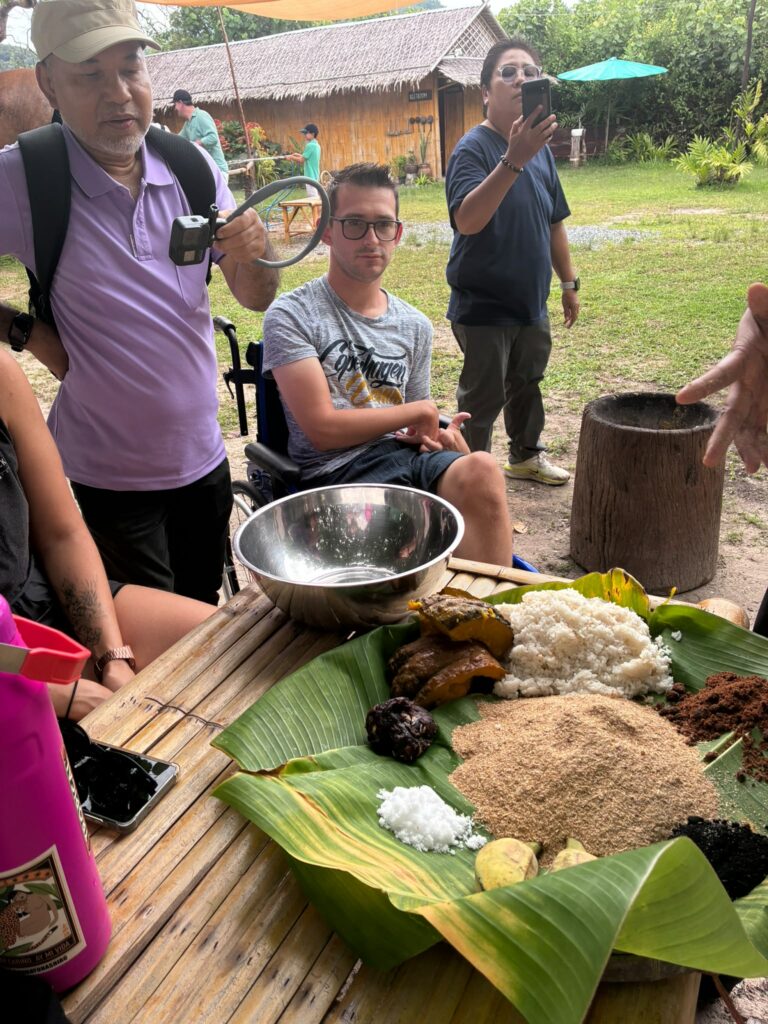
For ethical related reasons, one has always been uncomfortable visiting elephant type attractions. However, Koh Yao Elephant Care & House had 4 stars hence one thought it would be worth a try. The attraction (approximately 40 minutes drive from ones hotel) is wheelchair accessible providing one doesn’t mind a little rough ground and offers ‘packages’ where one can feed, bathe etc two elephants followed by a Thai meal. Of course, one simply wanted to observe from a distance…

Granted, these elephants have been born into captivity and need funding for their care, however the question still remains, is it ethical to fund this through ‘performing’ to tourists?

Day 7 (Koh Yao Yai) – Royal Yao Yai Island Beach Resort

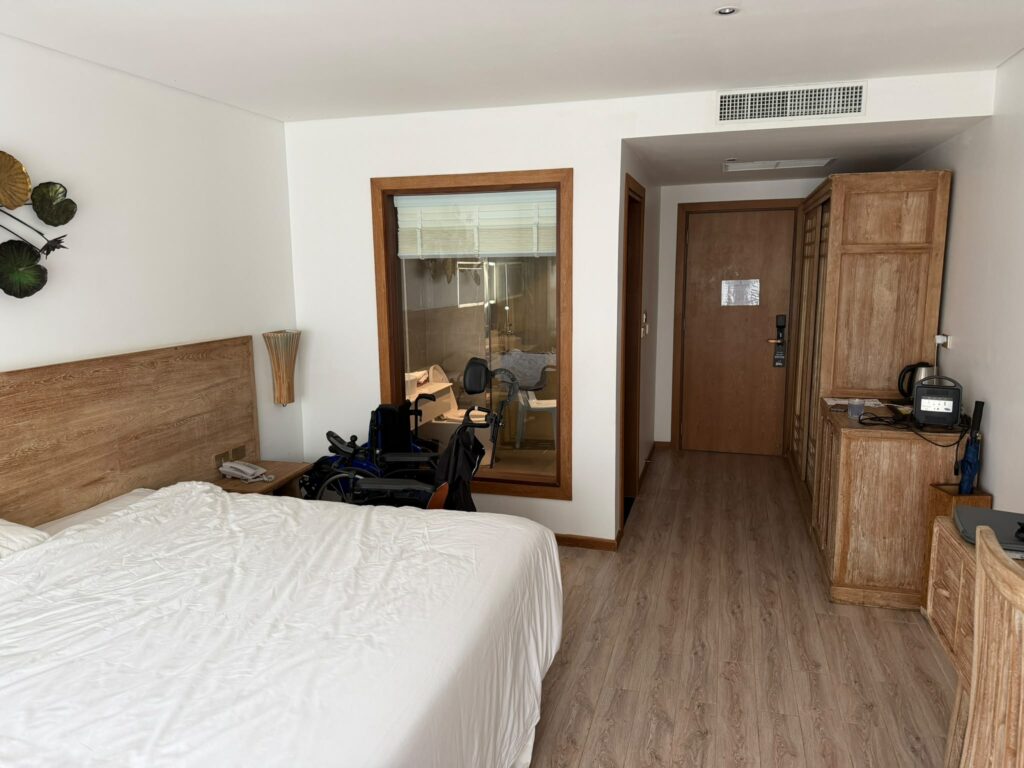
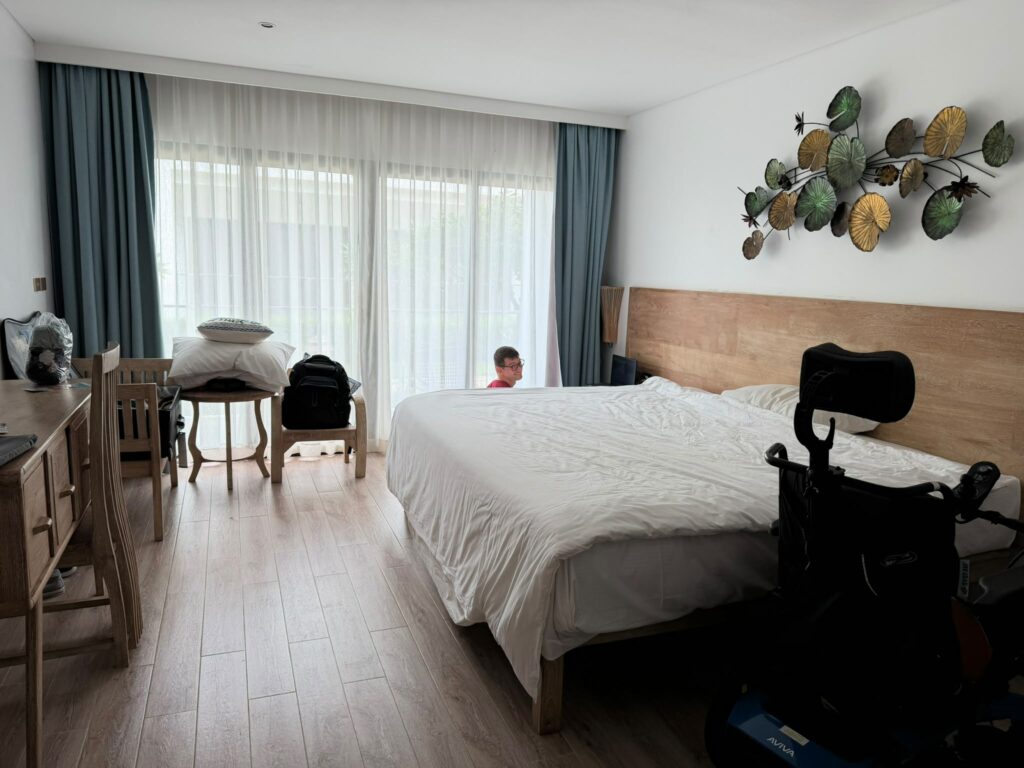
Fully accessible hotels on Thai islands such as Koh Yao Yai are very limited if not non-existent. It is for this reason that wheelchair users need to be a little creative with hotels such as the Royal Yao Yai Island Beach Resort. Despite having zero ‘wheelchair accessible’ rooms, a standard room has ample turning space and one can request for a plastic chair to be placed in the shower…

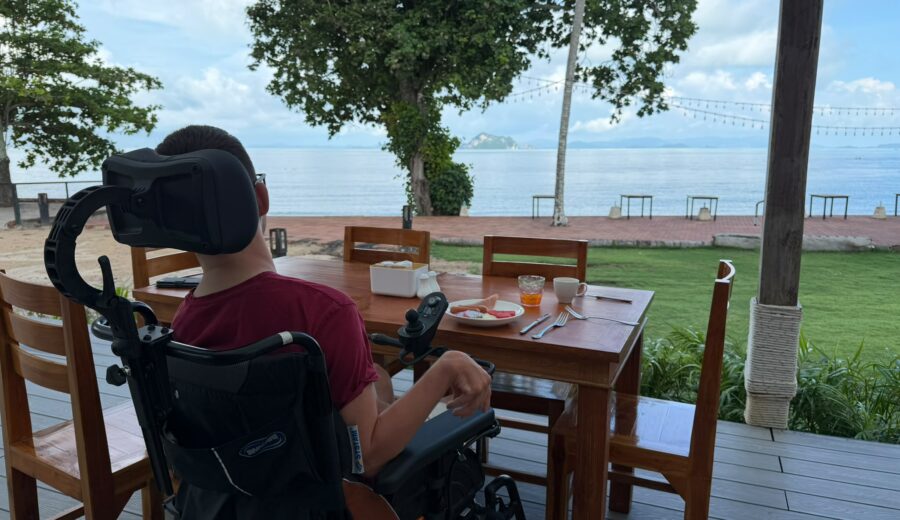
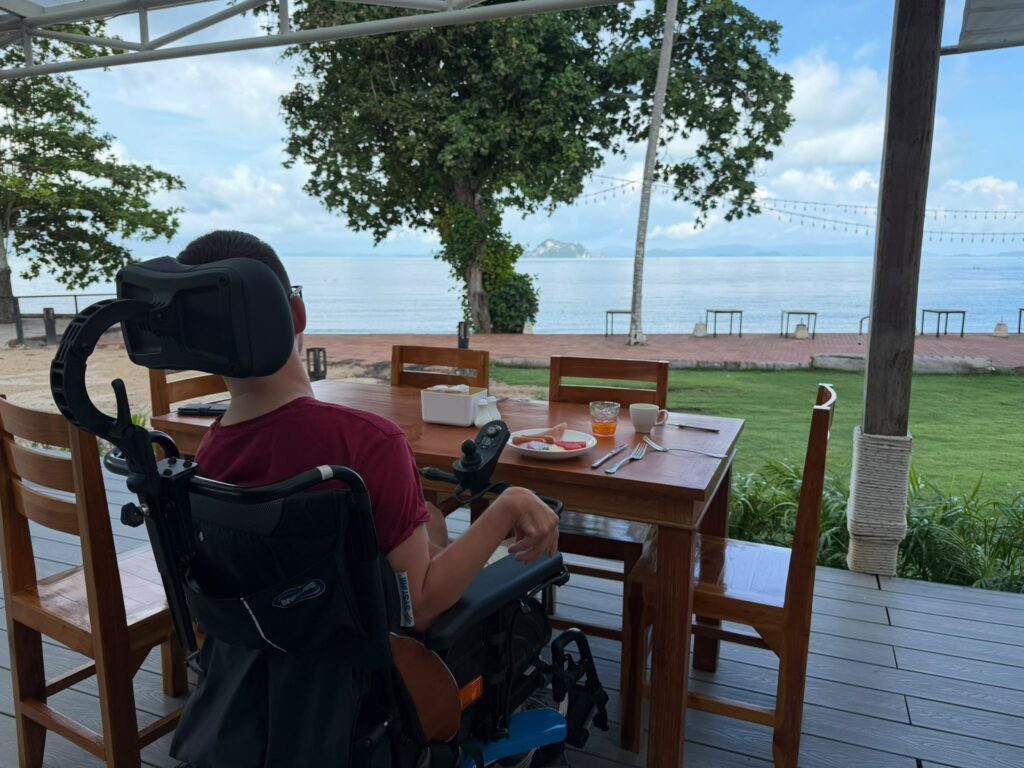
Ramps are present throughout the resort (albeit a little steep!) as one would expect. One must say that the views from the breakfast and restaurant area are spectacular…

As one visited during ‘low season’, the hotel restaurant had a very limited menu meaning that it was necessary to exit the resort. However, several restaurants are wheelchair accessible and within a 10 minute walk of the resort.

Day 6 (Thailand) – Ferry to Koh Yao Yai

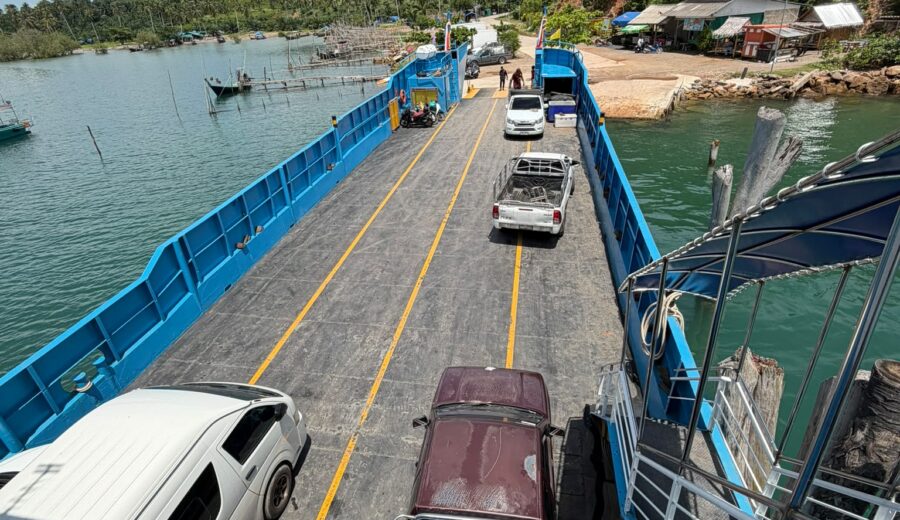
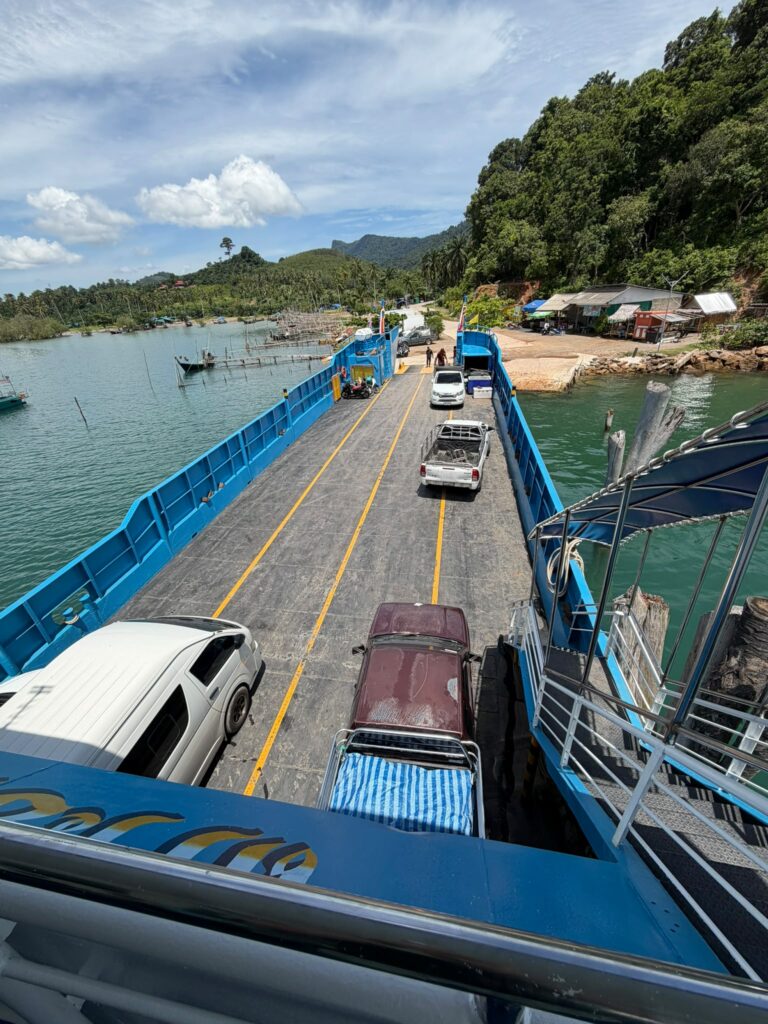
If one was to Google whether the islands of Thailand are wheelchair accessible, a large proportion will either say no or recommend places like Phuket. This is due to passenger ferries being inaccessible to wheelchair users, however, there is another way. A little known vehicle ferry runs once a day from Phuket to Krabi (and vice versa) via the islands of Koh Yao Yai and Koh Yao Noi. Indeed, this ferry appears to be used for the transportation of supplies, however, as one learnt in Greece, vehicle ferries mean accessibility…
As one mentioned, this ferry route appears to be primarily for supplies rather than to accommodate passengers. This means wheelchair users have two options, sit in the van with a limited view or, if one is able to, climb a set of stairs for a panoramic view…

The ferry crossing from Phuket takes around a hour or two hours from Krabi and very much opens up the possibility for wheelchair users to explore a Thai island.

Day 5.5 (Thailand) – Sirinart Rajini Ecosystem Learning Center

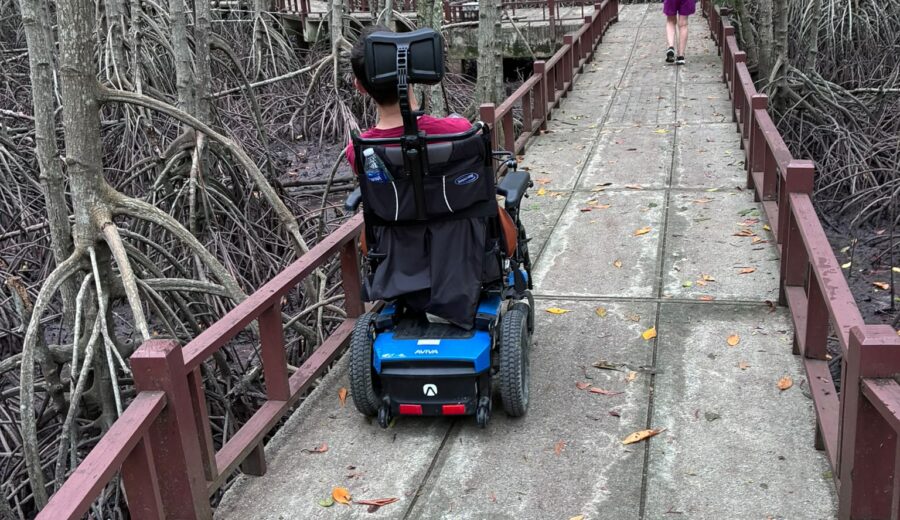
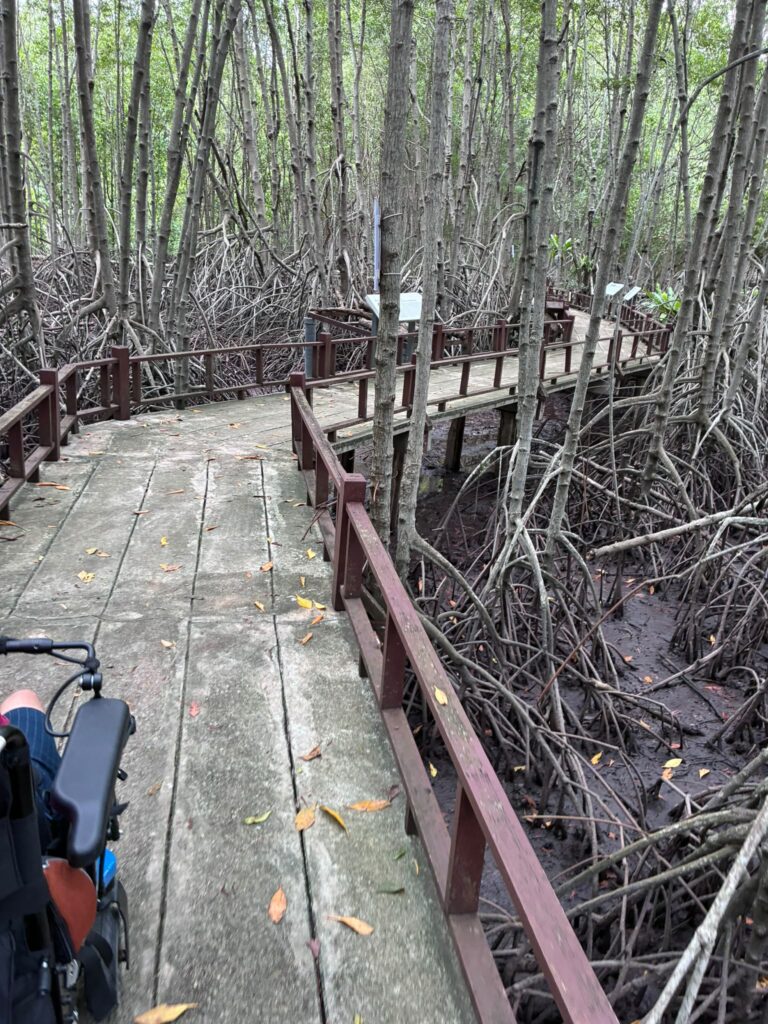
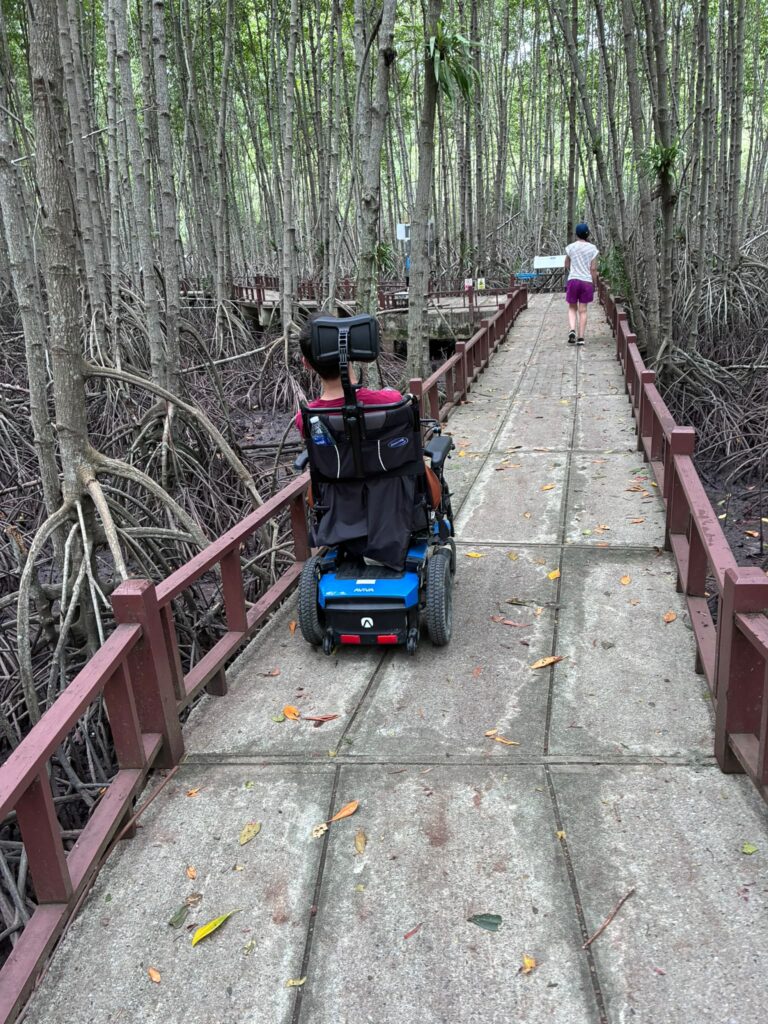
Just under a hours from the Bueng Bua Wood Boardwalk lies the Sirinart Rajini Ecosystem Learning Center which aims to preserve mangrove ecosystems.

It is worth noting that the center closes at 16:30pm, however, one was lucky enough to explore just before closing time. One of the main draws to the center is its wheelchair accessible boardwalk which meanders its way through a section of preserved mangrove forest. Although short, it still gives one a taste of what it is like to explore such forest…
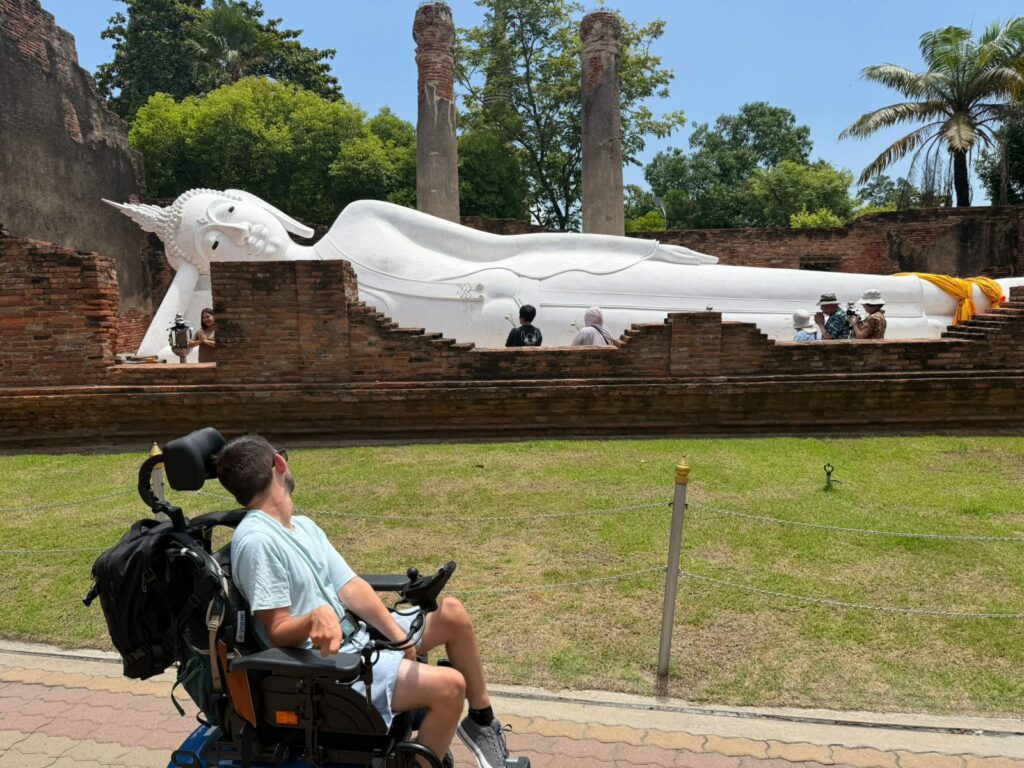
Both the Sirinart Rajini Ecosystem Learning Center and the Bueng Bua Wood Boardwalk are within a 90 minute drive of Hua Hin hence making a perfect day trip.
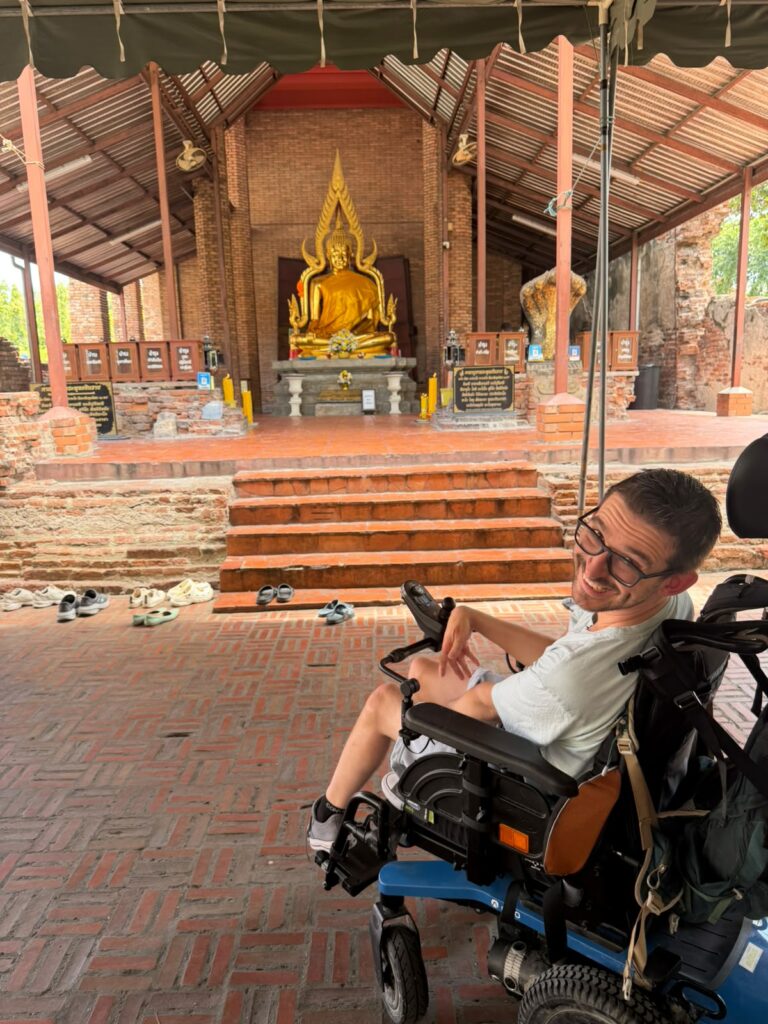
Day 5 (Thailand) – Bueng Bua Wood Boardwalk

Before we delve into this attraction, it needs to be noted that despite the location being on the fringes of Khao Sam Roi Yot National Park, one must travel directly rather than the visitor centre who may inform you that none of said National Park is wheelchair accessible.

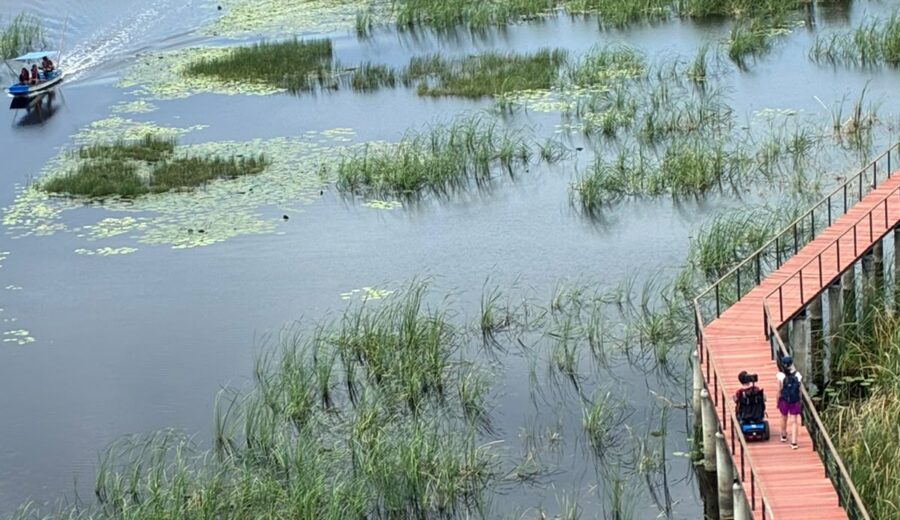
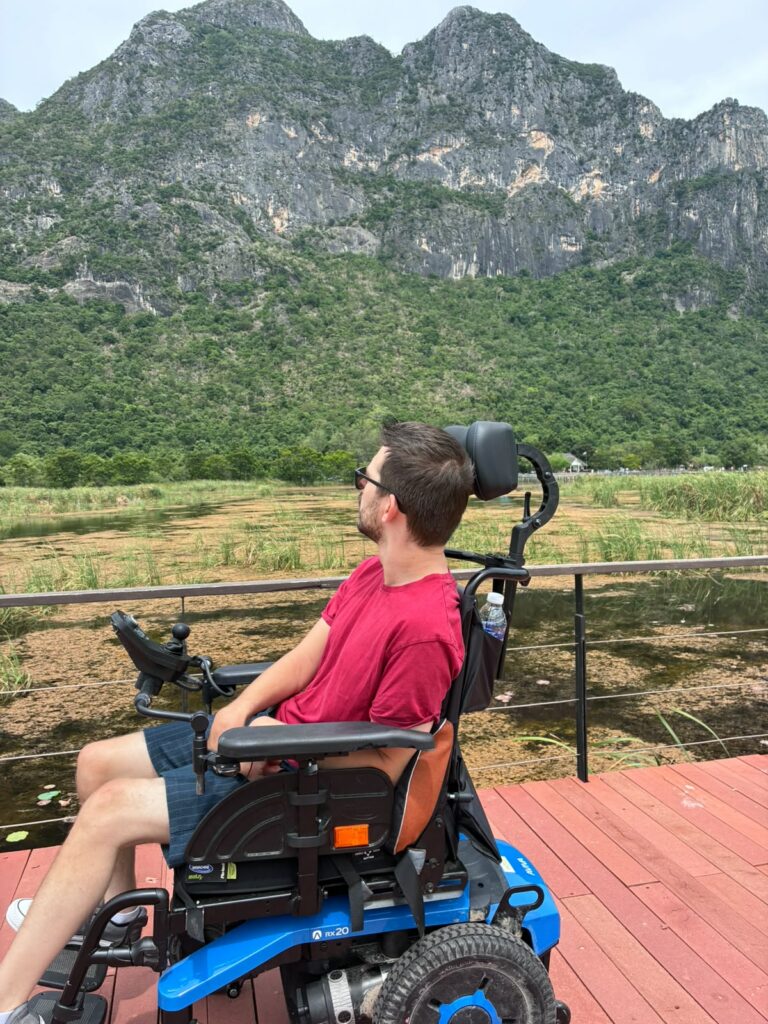
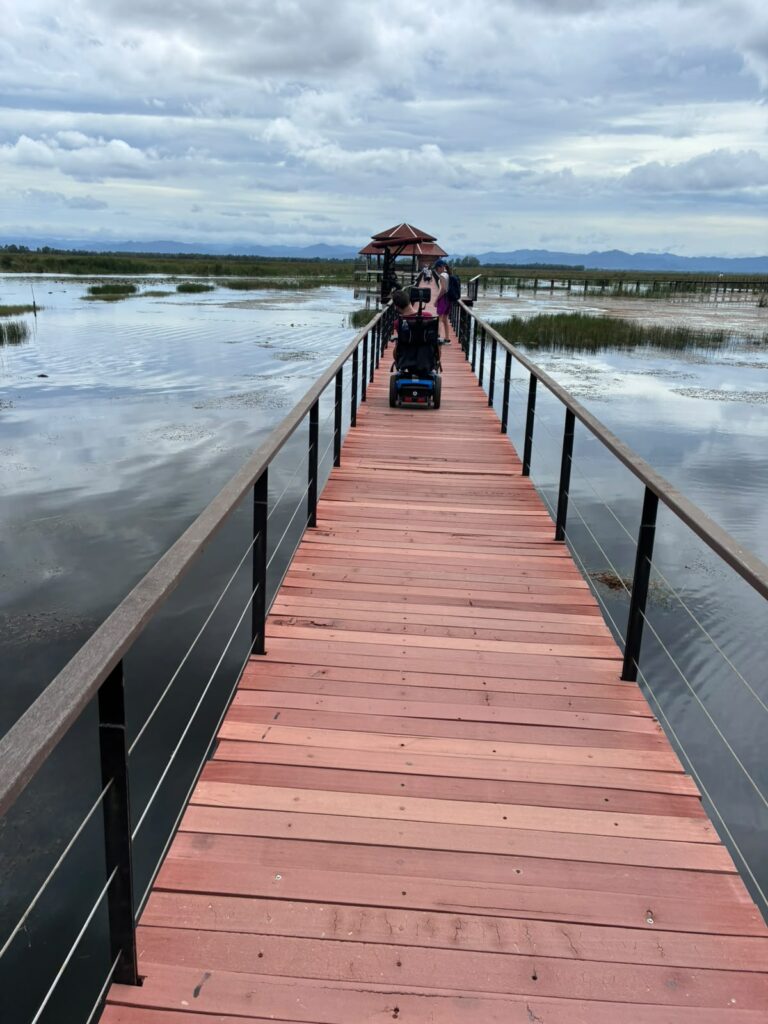
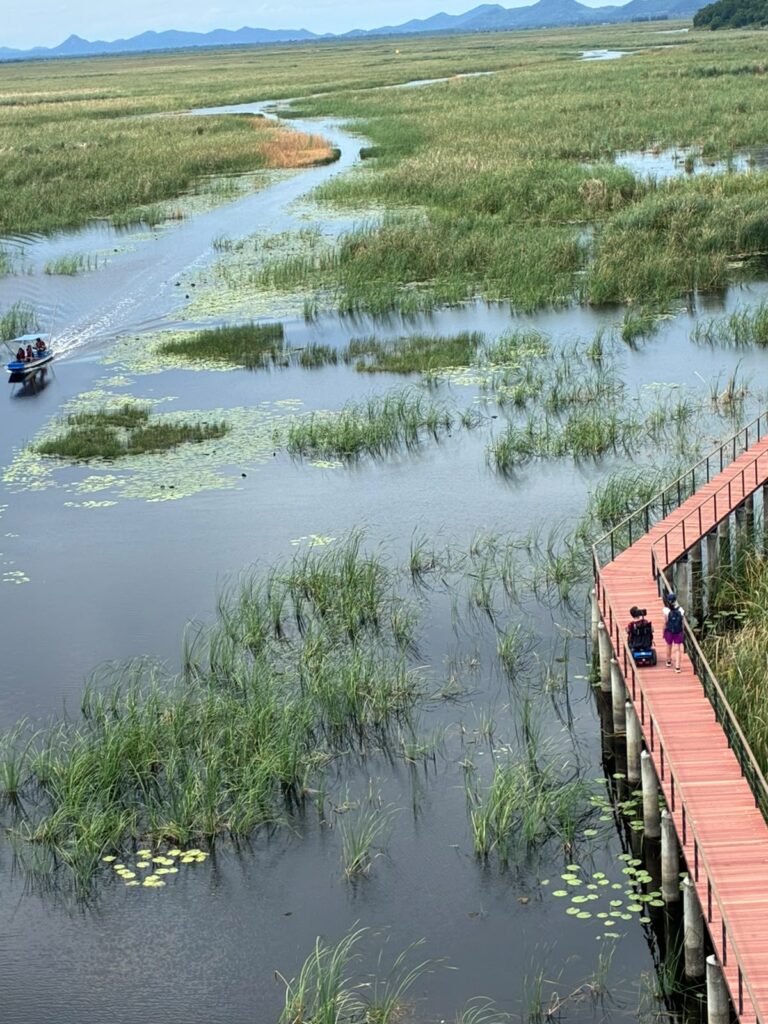
The Bueng Bua Wood Boardwalk spans across a large nature reserve and wetland home to a wide array of species. The wheelchair accessible boardwalk meanders its way through this…

Towards the end of the boardwalk sits an observation tower which is not wheelchair accessible, however it does provide spectacular views from the top…

Wheelchair users should also be prudent as some planks may contain holes!

N.B. For the remainder of the journey through Thailand, one is utilising a van from BB Travels who are, let’s say, more on the adventurous side!

Day 4 (Thailand) – The Thai Railways Experience

Railways in Thailand (Thai Railways) are perceived by many to be inaccessible to wheelchair users. Granted, there are still obstacles as of 2026, however it is clear that Thai Railways are making a significant investment. To a wheelchair user wishing to traverse one of Thailands main arterial routes. Not only has a handful of stations been rebuilt with elevators, a large proportion of smaller stations now possess higher platforms to enable level boarding (with a ramp to bridge the gap) plus entrance and exit ramps, what more could one want!

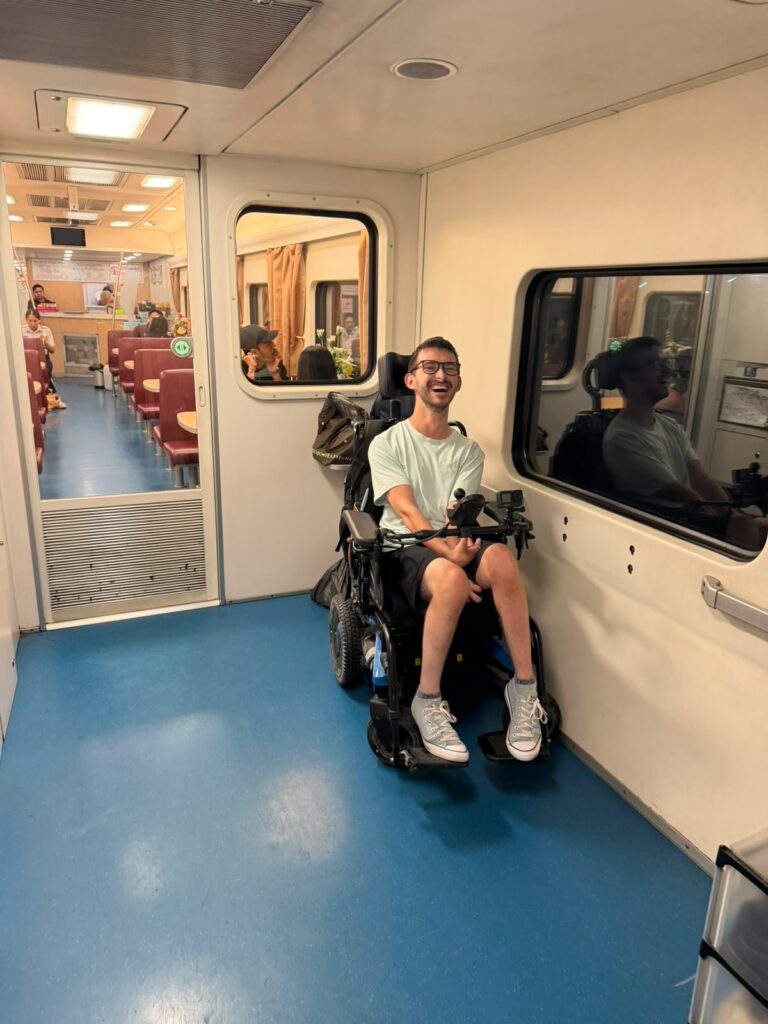
One took the CNR Sleeper from Bangkok Krung Thep Aphiwat Central Terminal Station to Hua Hin. One must say that the former is fairly large in size but easy enough to navigate including level boarding…

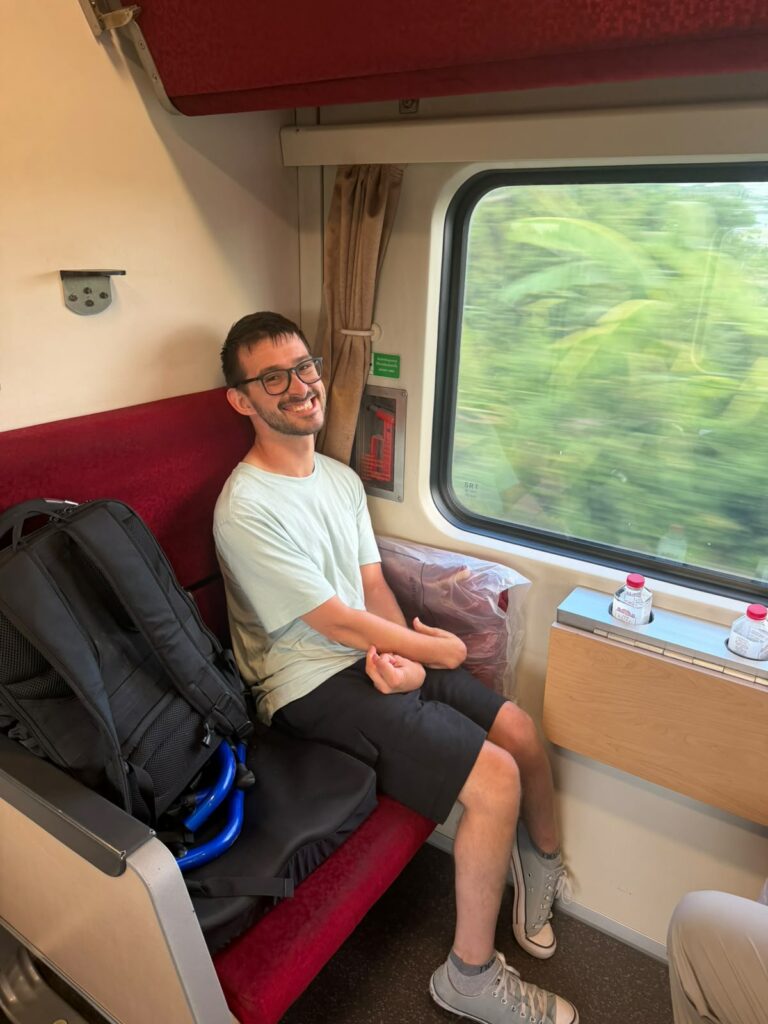
After many calls, it was determined that the CNR is yet to possess a dedicated wheelchair space. This leaves one with two options; transfer to a normal seat or sit in the luggage area. The latter is not as awful as it sounds as a large window is present providing one doesn’t mind air conditioning…

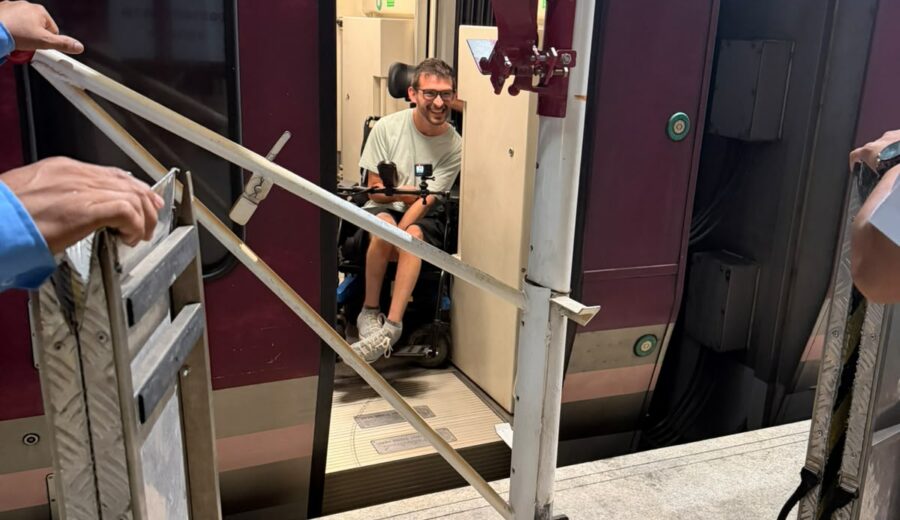
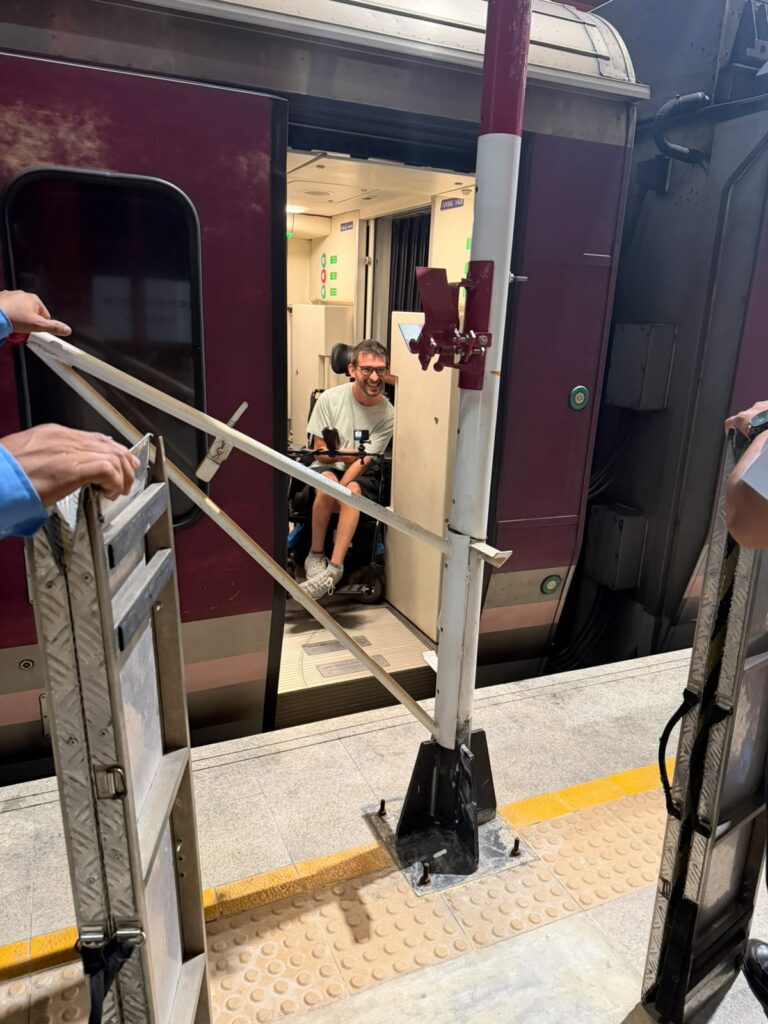
It most be said that Thai Railway staff are incredibly helpful also. For example, when reaching Hua Hin, station staff realised that one couldn’t get off due to a pole blocking the ramp. To overcome this, the train simply moved forward.

It is hoped that CNR will gain new rolling stock in the future to become truly wheelchair accessible.

Day 3 (Bangkok) – Mahanakorn SkyWalk

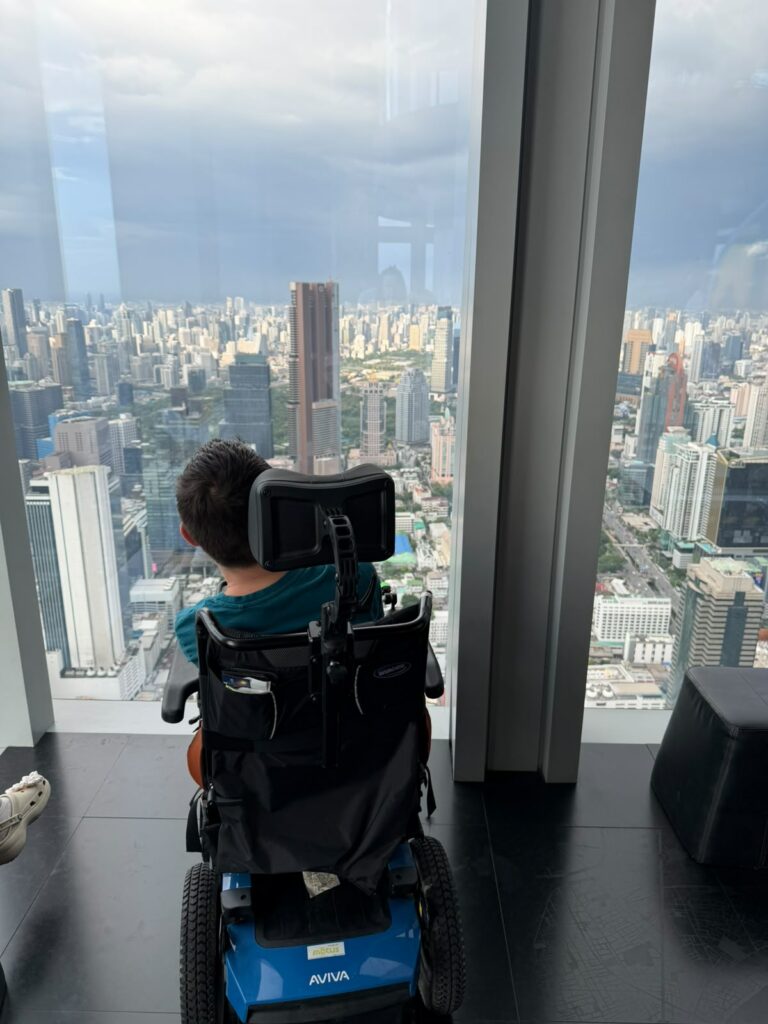
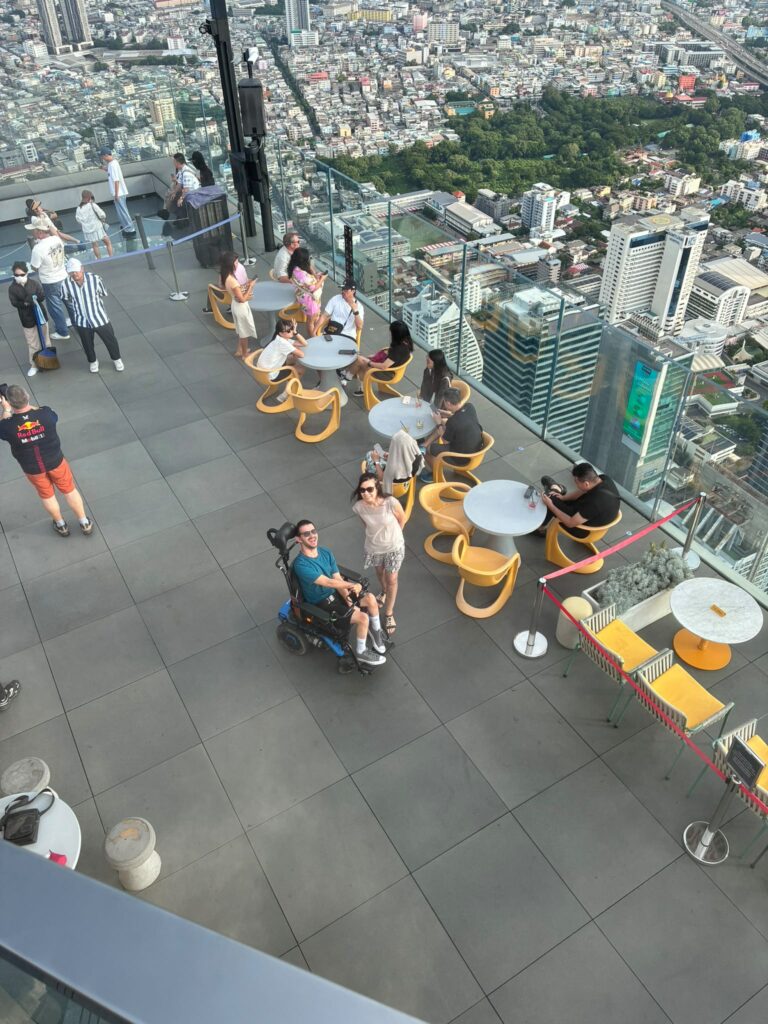
Nothing beats seeing a city from high above which is what Mahanakorn enables one to do. With its wheelchair accessible SkyWalk, one can marvel at the city of Bangkok below. Before we delve further, it is worth noting that foreigners will need to show passports when purchasing tickets. In addition, as of 2026, security is quite tight hence it is not uncommon for guards to take photos of ones wheelchair!

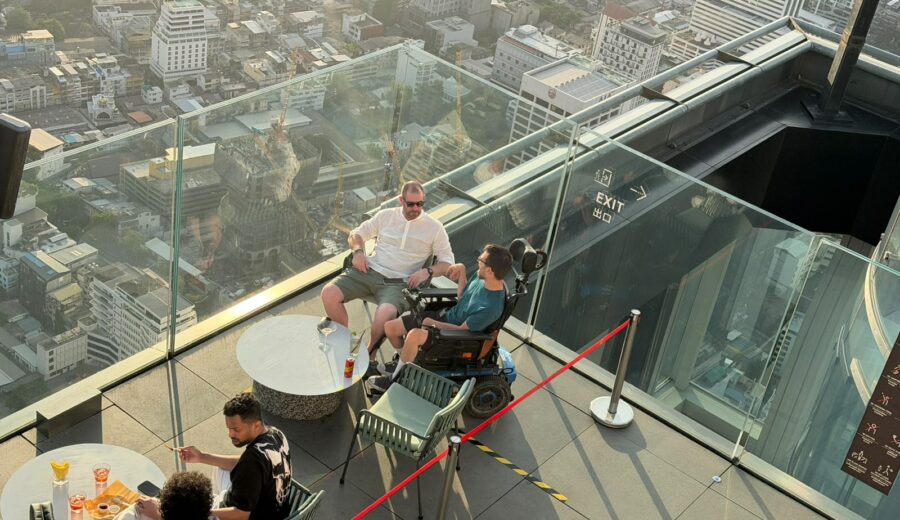
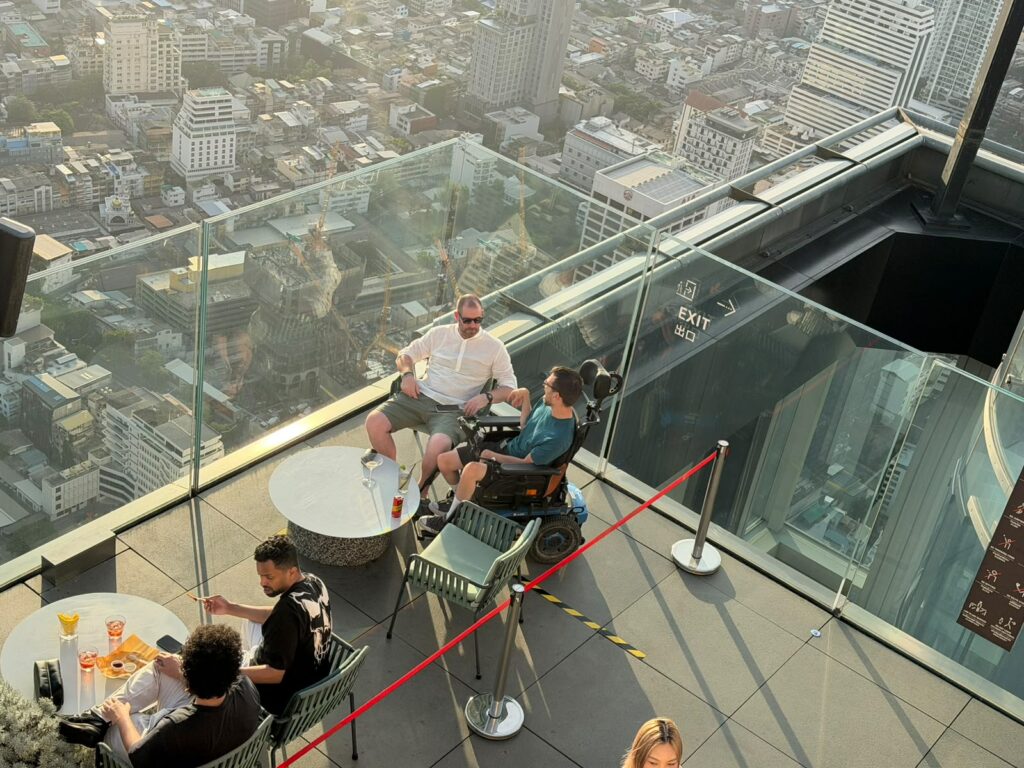
Now, if we dismiss the ‘immersive experience’, there are three elements to the SkyWalk; an indoor observations deck located on the 74th floor, an outdoor observations deck located on the 78th floor in addition to ‘The Peak’. Both the indoor and outdoor observation decks are wheelchair accessible, however it is not possible to access ‘The Peak’ due to stairs.

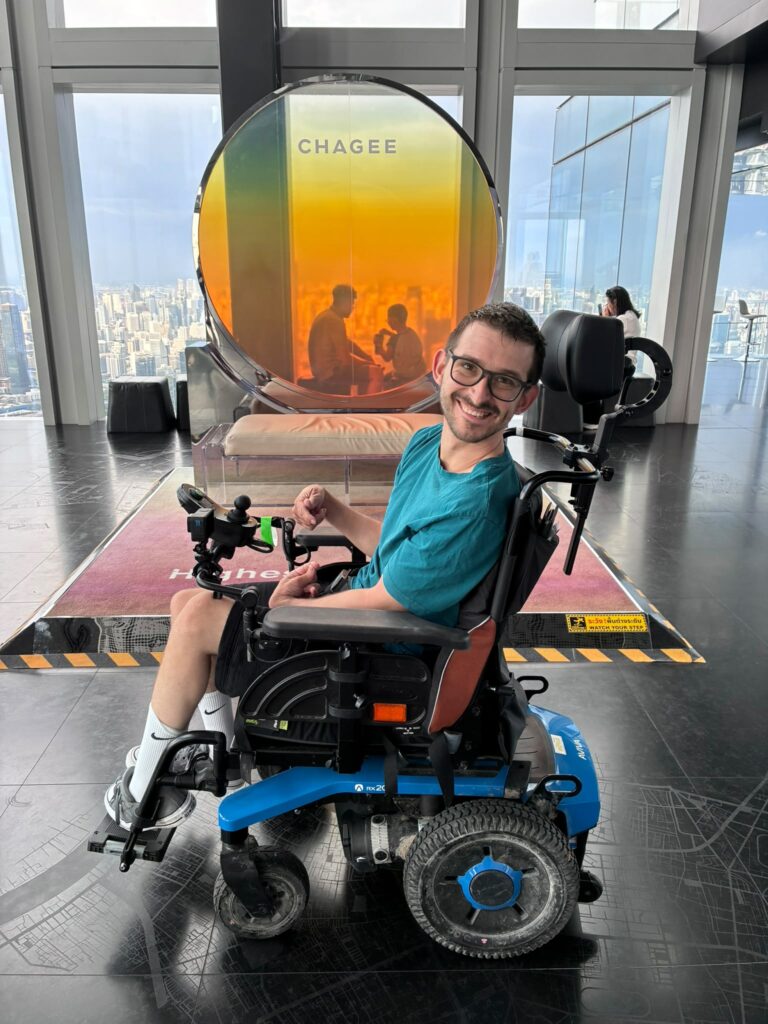
As one would expect from an observation tower, the indoor portion provides 360 degree panoramic views over the city of Bangkok plus a few perks…

One must then return to the elevator to access the outdoor portion. This area also contains a ‘Glass Tray’ which is not wheelchair accessible. However, one can still enjoy drinks etc…

This wheelchair accessible attraction is, perhaps overlooked by many, however it was a fitting end to ones visit to Bangkok.

Now let’s go on an adventure…

Day 2 (Thailand) – Ayutthaya Accessibility

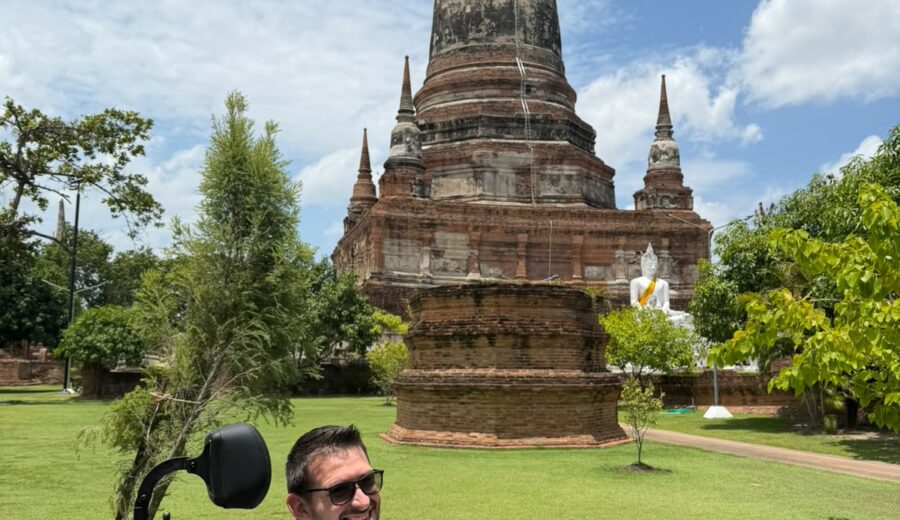
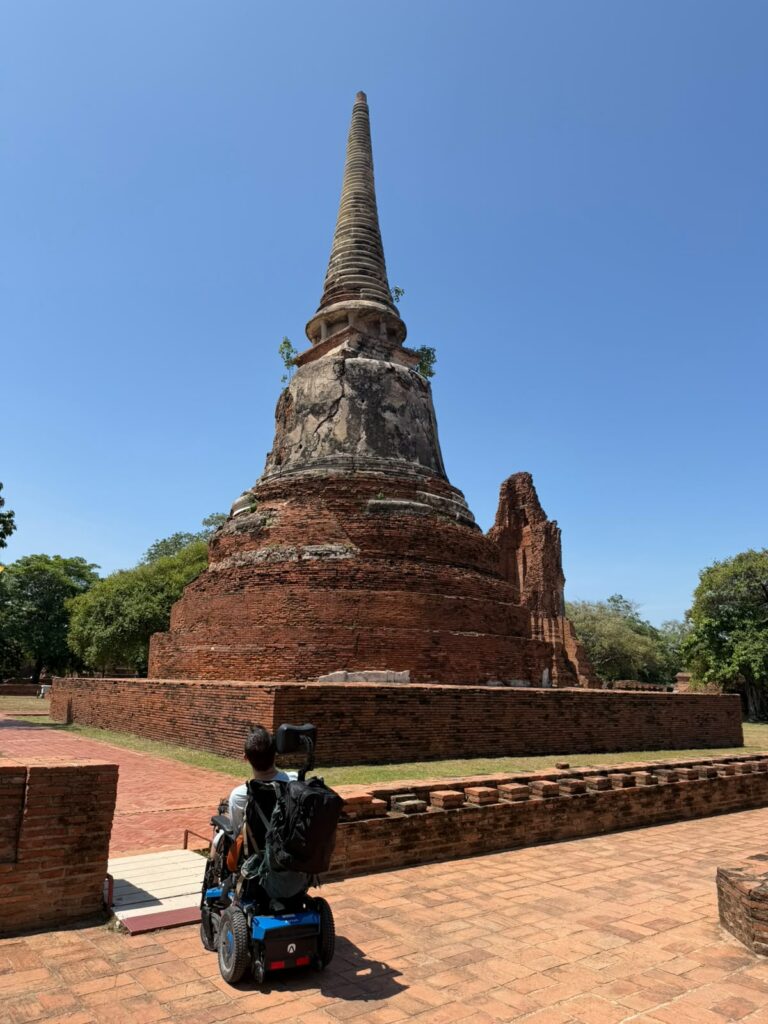
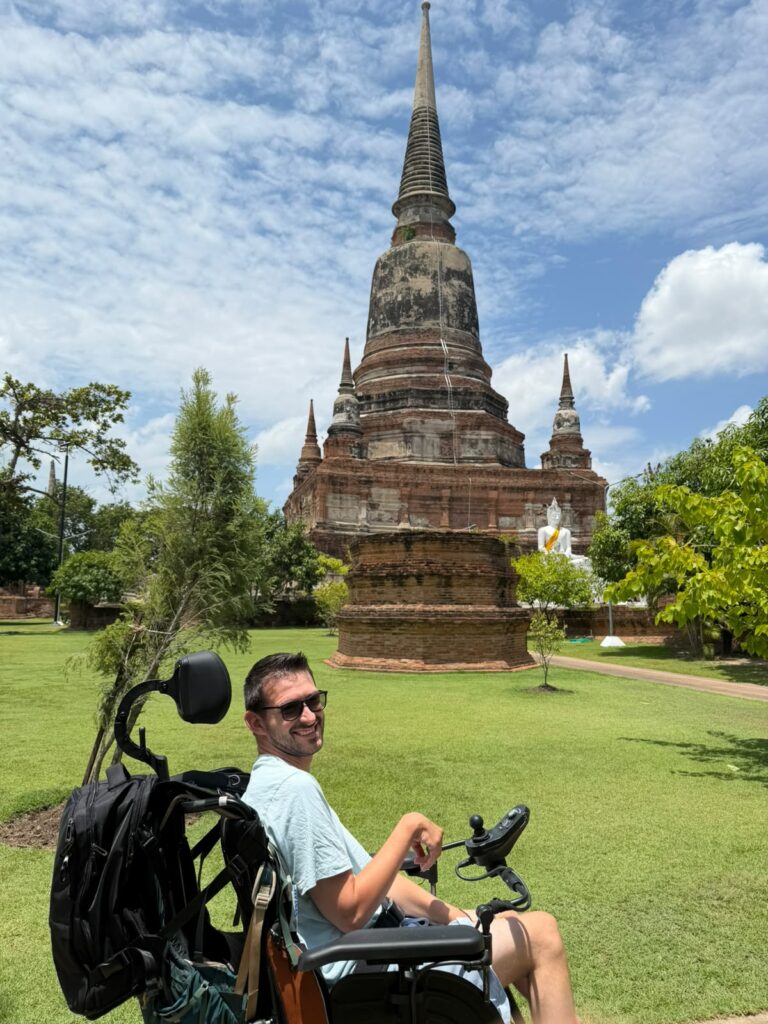
Once the capital of the Ayutthaya Kingdom, the historic city of Ayutthaya has now become an UNESCO World Heritage Site. As multiple sites are located across the city, one utilised Wheelchair Holidays Thailand to be the transport between. A large proportion of the sites contain ancient ruins and temples, the latter of which are not wheelchair accessible due to the nature of the structures, however, one can still marvel from the exterior…

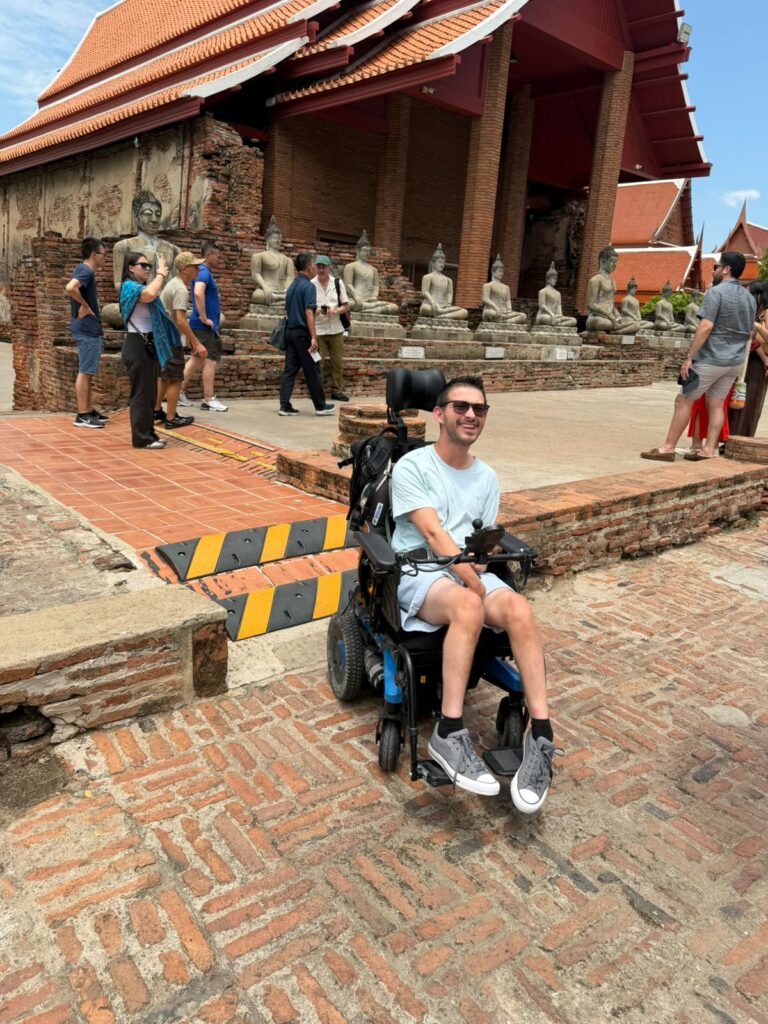
In regards to navigating the ancient ruins, many sites do have wheelchair accessible routes with ramps etc, however, these are not always clear thus one may need eagle eyes. In addition, a few ramps may surprise, take speed humps for example…

Considering visits to various UNESCO Heritage Sites as a wheelchair user across the world, Ayutthaya pleasantly surprised. Definitely worth a visit.

Scroll to top